





So, you’re looking for the best Italian restaurant in town, and like most of us, your first stop is Google Reviews. Good call! You’ll find a lot of genuine feedback there – both good and, well, less good. But how do you actually sift through it all to pick a winner? It’s not just about star ratings; it’s about what people are saying, and what they aren’t saying.
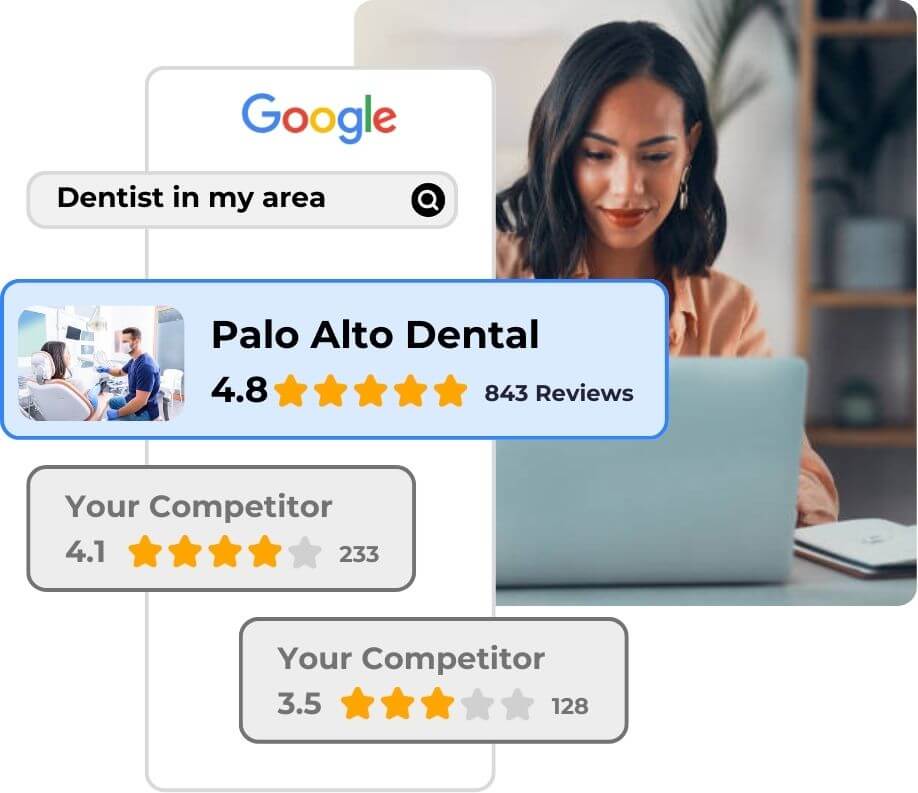
Stars are a quick visual cue, but they don’t tell the whole story. A 4.5-star restaurant with 200 reviews is often a much safer bet than a 5-star one with only 10 reviews. Here’s how to look beyond the initial number.
Quantity vs. Quality
More reviews generally mean more reliable data. A restaurant with many reviews has likely ironed out some kinks or consistently impresses a wider range of patrons. Aim for places with at least a few hundred reviews, especially if they’re above 4 stars. Fewer reviews might mean a hidden gem, but it also carries more risk.
The “Sweet Spot” Average
I tend to look for places in the 4.3 to 4.7-star range. Anything consistently above 4.7 often has a slightly smaller review count or is just exceptionally (and sometimes suspiciously) good. Below 4.3, you start seeing more recurring complaints. This “sweet spot” usually indicates a restaurant that gets things right most of the time without being artificially boosted.
If you’re interested in understanding the importance of customer feedback and how it can impact your business, you might find this article on Google Reviews insightful. It explores the nuances of managing online reviews and how they can enhance your brand reputation. You can read more about it here: Google Reviews and Their Impact on Business.
What to Look For in Positive Reviews
Positive reviews are great, but some are more helpful than others. Look for specifics and patterns, not just generic praise.
Detailed Descriptions of Dishes
A review that says “The carbonara was so creamy and the guanciale was perfectly crispy!” tells you a lot more than “Food was good.” Pay attention to mentions of specific ingredients, preparation methods, and how the flavors came together. This shows the reviewer actually eats Italian food and knows what good Italian food tastes like.
Mentions of Service and Atmosphere
Good food can be ruined by bad service or a terrible atmosphere. Look for comments about attentive staff, quick service (without feeling rushed), and a comfortable, clean, or charming dining environment. If reviewers are consistently praising the warmth of the staff or mentioning specific servers by name, that’s a great sign.
Consistent Themes
If multiple reviewers rave about the same specific dish (e.g., “best lasagna in town”) or particular aspect (e.g., “fantastic wine list,” “kid-friendly”), those are strong indicators. This consistency suggests the restaurant excels in those areas, rather than hitting a home run by accident.
Value for Money
Reviews that mention portions, pricing, and overall value are very useful. “A bit pricey but worth every penny” or “generous portions for the price” helps set expectations and tells you if you’re getting bang for your buck.
Red Flags in Negative Reviews

Negative reviews are inevitable, even for the best places. The trick is to distinguish isolated incidents from systemic problems.
Recurring Complaints
If several reviews mention the same issue – slow service, bland pasta, cold food, rude staff, or consistently long waits – that’s a serious red flag. One bad experience can happen; five or ten suggest a pattern.
Lack of Detail or Emotional Outbursts
Sometimes a review is just an angry rant with no specifics. “Worst place ever!!!” without any explanation often isn’t very helpful. Distrust overly emotional, vague complaints. Focus on those that provide objective details of what went wrong.
Generic “Poor” ratings without context
A 1-star review that simply says “Bad” contributes nothing. Look for detailed negative reviews that explain why the experience was poor. For example, “The pasta was undercooked and the sauce tasted like it came from a jar” is much more informative.
Management Responses
How the restaurant responds to negative feedback can be very telling. A polite, empathetic, and problem-solving response is a good sign. Defensive, rude, or dismissive replies from management suggest they don’t value customer feedback, which is a major red flag.
Beyond the Text: Visual Cues and Hidden Gems

Google Reviews offer more than just written opinions. Don’t forget to leverage the visual elements and look for those spots that might be overlooked.
Analyzing Photos
Customer-uploaded photos can be incredibly informative. Do the dishes look appetizing? Are the portions decent? Is the restaurant clean and well-maintained? Are the tables cramped or comfortably spaced? You can often tell a lot about the quality and presentation of food and the overall ambiance just from a few snapshots.
“Local Guide” Badges
Reviewers with “Local Guide” badges often post more comprehensive and reliable reviews, as they’re active contributors to Google Maps and accrue points for quality input. These reviewers tend to be more experienced in evaluating places and often provide valuable pros and cons.
Checking the “Newest” Reviews
While overall averages are important, pay attention to the most recent reviews. A restaurant might have a great overall rating, but if the last few months of reviews are consistently negative, it could mean a recent change in management, chef, or quality that hasn’t fully impacted the long-term average yet.
“Hidden Gem” Potential
Sometimes, a restaurant with fewer reviews but very passionate, detailed positive ones could be a fantastic find. These might be newer establishments, off-the-beaten-path spots, or places that simply haven’t garnered massive online attention yet. If the detailed reviews are overwhelmingly positive and specific, it might be worth the slight risk.
Google reviews play a crucial role in shaping a business’s online reputation, and understanding the tools available for managing these reviews can greatly enhance customer engagement. For those interested in exploring effective solutions, a related article on review software can provide valuable insights. You can read more about it in this informative article, which discusses various options to streamline the review process and improve your overall customer feedback strategy.
Putting It All Together: Your Search Strategy
“`html
| Location | Number of Reviews | Average Rating |
|---|---|---|
| New York | 500 | 4.5 |
| Los Angeles | 700 | 4.2 |
| Chicago | 400 | 4.7 |
“`
Now that you know what to look for, here’s a practical approach to using Google Reviews effectively.
Start with a Broad Search
Type “Italian restaurant [your town/neighborhood]” into Google Maps. This gives you a visual overview of options and their star ratings.
Filter and Prioritize
- Filter by rating: Start by looking at places with 4.0 stars and above.
- Filter by relevance/distance: Depending on what’s important, you might want to see what’s closest or what Google considers most relevant.
- Check review count: Dismiss any 5-star places with fewer than, say, 50 reviews unless you’re feeling adventurous.
Dive into the Top Contenders
Pick 2-3 restaurants that look promising based on stars and review count.
- Scan recent reviews: Read the last 10-20 reviews (both positive and negative) to get a feel for current operations.
- Look for recurring themes: Note down any specific dishes or aspects (service, atmosphere) that are consistently praised or criticized.
- Check the photos: Look for food presentation, portion sizes, and general ambiance.
Compare and Decide
Based on your priorities (e.g., authentic pasta, romantic ambiance, family-friendly, good value), select the restaurant that aligns best with what you’re looking for. Sometimes, the “best” isn’t just about the highest star rating; it’s about the best fit for your specific needs right now. For example, a rustic, high-energy spot might be great for friends, but not ideal for a quiet anniversary dinner.
In today’s digital age, online reputation management is crucial for businesses, and Google reviews play a significant role in shaping consumer perceptions. For those interested in understanding the implications of privacy policies on customer feedback, a related article can provide valuable insights. You can explore this topic further in the article on cookie privacy policies, which discusses how these policies affect user experience and trust. For more information, visit cookie privacy policies.
Common Pitfalls to Avoid
As helpful as Google Reviews are, there are a few traps to steer clear of.
Over-reliance on “Best Of” Lists
Google Reviews are crowdsourced. While helpful, don’t confuse them with curated critic reviews or official “best of” lists, which might have different criteria. Use both in conjunction if you can.
The “One Bad Meal” Syndrome
Everyone has an off day, and every restaurant can have an off night. A single scathing review among hundreds of positive ones shouldn’t generally deter you, especially if it describes an isolated incident not mirrored elsewhere. Focus on patterns.
Forgetting Your Own Preferences
What one person considers “authentic” or “romantic” might differ from your definition. While reviews are guiding lights, remember to filter them through your own culinary expectations and desired experience. If you prefer a quiet, intimate setting, a consistently described “lively and bustling” spot might not be your ideal, even if the food is great.
In Conclusion
Google Reviews are an invaluable tool for finding a great Italian restaurant. By moving beyond just the star rating and digging into the specifics of reviews, analyzing photos, and understanding what constitutes truly useful feedback (and what doesn’t), you can make a much more informed decision. It’s about being a smart digital detective, using the collective experience of diners to guide you to your next delicious Italian meal. Happy eating!
Recent Comments